Introduction
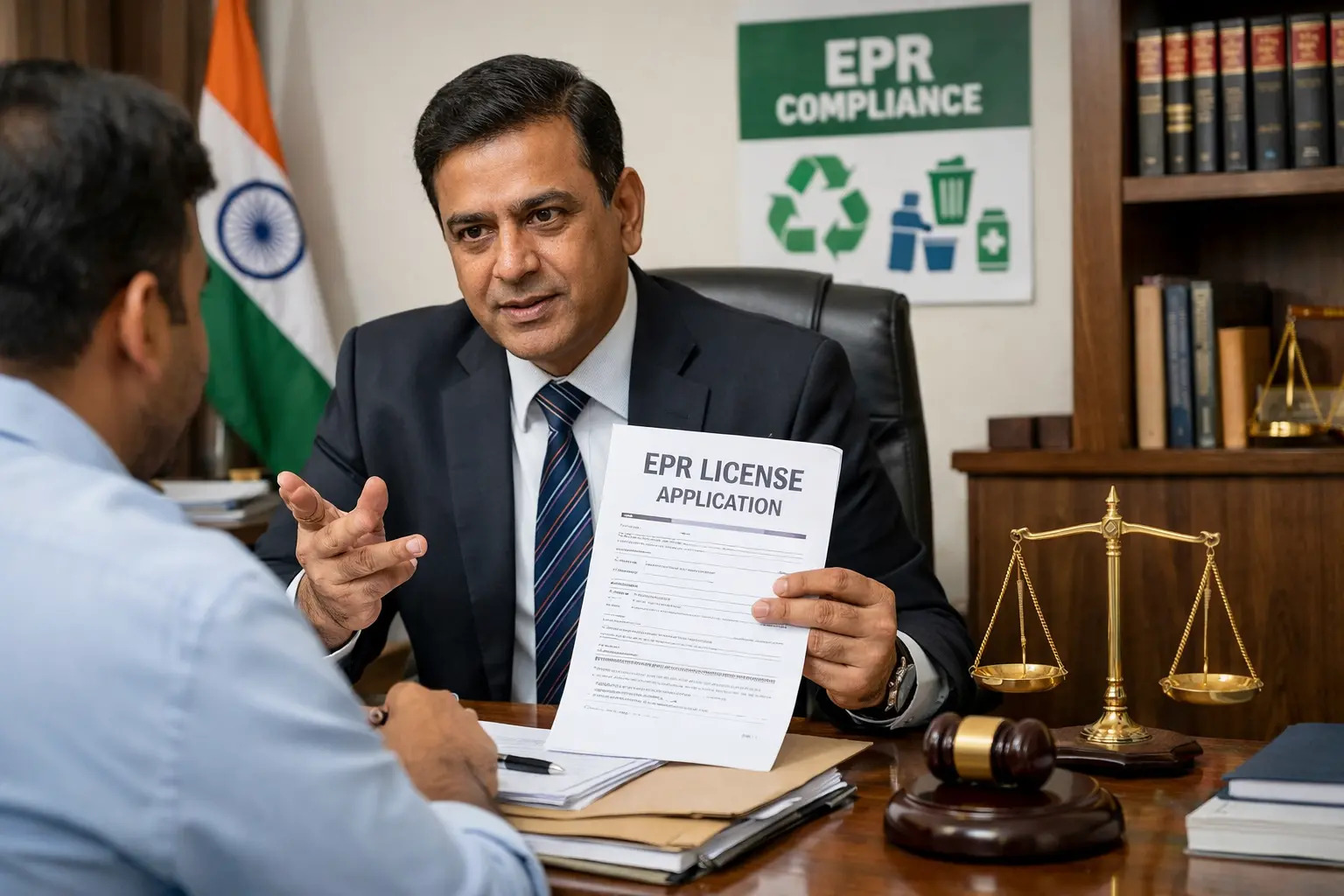
Extended Producer Responsibility has become an important part of environmental compliance for businesses involved with products and their waste. Producers, importers and other covered entities may have registration, reporting and waste-management responsibilities under the applicable EPR framework. An EPR licensing lawyer India can help businesses understand these requirements and deal with regulatory questions. The rules can look straightforward at first, but once registration, records and targets are involved, things can get confusing pretty quickly.
Understanding EPR Requirements
EPR places responsibility on certain businesses for managing the environmental impact of products and packaging after their use. Different EPR frameworks can apply to areas such as plastic packaging, electronic waste, batteries and other regulated waste streams. The exact obligations depend on the nature of the business and the products involved. An EPR licensing lawyer India can review the business activities and explain which regulatory requirements may be relevant.
Registration and Documentation
EPR-related compliance usually involves more than simply completing an online registration form. Businesses may need to maintain information about products, quantities, waste collection, recycling and other relevant activities. Supporting records should also remain consistent with the information submitted to the authorities. Keeping everything organised from the beginning can save considerable trouble later. Otherwise, finding an old invoice or waste record six months later can turn into a surprisingly annoying exercise.
Handling Compliance Questions
A business may receive a notice or face questions about its EPR registration, reporting or fulfilment of applicable responsibilities. In such situations, the first step is understanding exactly what the authority has asked and checking the available records. An EPR licensing lawyer India can review the notice, registration information and supporting documents and explain the possible legal response. A rushed reply may overlook an important detail, so checking the paperwork properly is usually worth the time.
EPR Disputes and Regulatory Issues
Environmental compliance disputes can involve several layers, including registration requirements, waste records, recycling documentation and communications with regulatory authorities. If a disagreement becomes more serious, the appropriate legal remedy will depend on the nature of the issue and applicable regulations. Legal guidance can help identify the relevant documents and explain the procedural options. Businesses should also keep copies of submissions and official communications instead of assuming that everything can be found easily later.
Conclusion
EPR compliance is an ongoing responsibility, not simply a registration exercise that ends after receiving an approval or registration number. Businesses need to understand their applicable obligations and maintain reliable records throughout their operations. An EPR licensing lawyer India can provide legal guidance when questions arise about registration, documentation, compliance or regulatory action. The correct approach depends on the business activity and applicable EPR framework. Staying organised from the beginning can make environmental compliance considerably less stressful.